Introduction
A beautiful home isn’t created by following every new design trend. It grows from thoughtful choices—comfortable furniture, useful storage, healthy plants, inviting colors, and outdoor spaces that feel like a natural extension of everyday life. Home The spruce ideas can inspire homeowners to make these improvements without turning every project into an expensive renovation.
The best home and garden changes often begin with something surprisingly small. Rearranging a room, adding greenery, improving lighting, or refreshing a neglected garden corner can completely change how a space feels.
Home The spruce Ideas for a More Comfortable Home
Comfort should come before decoration. A room can look impressive in photographs but still feel inconvenient if furniture blocks natural movement, lighting is inadequate, or everyday essentials have nowhere to go.
Start by considering how each room is actually used. A living room designed for family evenings needs comfortable seating and accessible surfaces. A bedroom benefits from calming lighting and uncluttered surroundings. Kitchens work better when frequently used items are stored close to where they’re needed.
Build Rooms Around Everyday Life
Before buying new furniture or decorations, identify what isn’t working. Sometimes moving a chair, removing an oversized table, or reorganizing storage solves the problem without requiring additional purchases.
Useful improvements include:
- Creating clear walking paths between furniture
- Using baskets and cabinets to reduce visible clutter
- Adding lamps to poorly lit corners
- Choosing furniture proportional to room size
- Keeping frequently used items within easy reach
- Creating dedicated areas for work, relaxation, and storage
Good design should make daily routines easier rather than simply making rooms look stylish.
Bring Nature Into Your Interior
Plants can soften hard architectural lines and introduce natural color into rooms dominated by furniture and technology. They also provide an easy way to refresh an interior without replacing major furnishings.
The key is choosing plants according to actual growing conditions rather than appearance alone. A plant requiring strong sunlight will struggle in a dark hallway regardless of how attractive it looked at the garden center.
Choose Houseplants for Your Space
Consider light, humidity, available space, and how much maintenance you’re realistically willing to provide. Beginners often have better results with forgiving plants rather than varieties requiring precise care.
Popular low-maintenance choices include snake plants, pothos, spider plants, and ZZ plants. Always research the specific requirements and potential pet or child safety concerns of a plant before bringing it home.
Create a Garden That Is Easier to Maintain
A successful garden doesn’t need endless maintenance. Thoughtful planning can reduce watering, weeding, pruning, and replacement planting while keeping the landscape attractive.
Home The spruce garden planning begins with understanding your site. Watch where sunlight falls throughout the day, identify areas where water collects, and consider your local climate before selecting plants.
Choose the Right Plant for the Right Place
Matching plants to existing conditions is usually easier than constantly trying to change those conditions.
Sun-loving varieties should generally occupy bright locations, while shade-tolerant plants belong beneath trees or beside structures that block direct sunlight. Plant labels provide useful starting information, but local nurseries can also help identify varieties suited to regional conditions.
Healthy soil matters just as much. Adding appropriate organic matter and using mulch can support soil structure while helping retain moisture and suppress unwanted weeds.
Connect Indoor and Outdoor Living
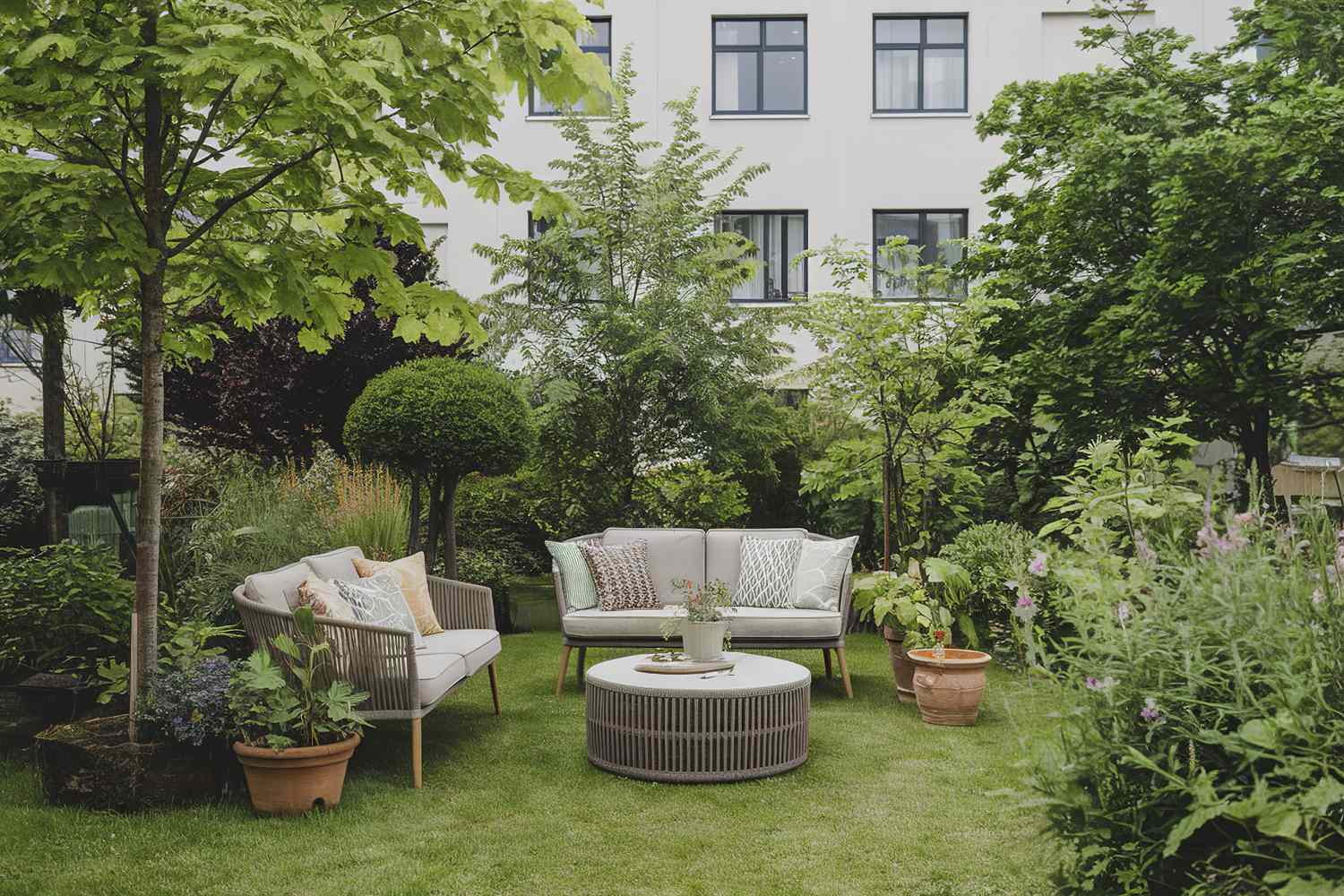
Gardens, balconies, patios, and terraces can function like additional rooms when they are designed with comfort in mind. Even a small outdoor area can become useful with appropriate seating, shade, greenery, and lighting.
The Home The spruce approach works particularly well when indoor and outdoor areas share visual elements. Similar materials, complementary colors, or repeated plant varieties can make the transition between spaces feel intentional.
Make Small Outdoor Spaces Useful
Limited space doesn’t mean limited possibilities. Vertical planters, compact furniture, wall-mounted containers, and railing planters can add functionality without consuming valuable floor area.
Instead of filling every available corner, leave enough open space for movement. One comfortable chair surrounded by carefully selected plants can feel more inviting than an overcrowded balcony.
Use Color Without Overwhelming Your Home
Color has a major influence on atmosphere. Warm earthy shades can create a cozy feeling, while softer greens, blues, and neutrals often produce a calmer appearance.
Rather than committing immediately to a bold wall color, experiment through cushions, rugs, artwork, planters, curtains, or decorative accessories. These elements are easier and less expensive to change.
Natural materials also work beautifully alongside color. Wood, stone, linen, cotton, ceramic, and woven textures can introduce visual depth without making a room feel excessively decorated.
Make Sustainable Choices Where Practical
Sustainability at home doesn’t have to involve replacing everything you own. In many situations, keeping, repairing, or repurposing existing items is more practical than constantly purchasing replacements.
Home The spruce inspiration can include simple habits such as composting suitable garden waste, choosing durable furniture, planting appropriate species, reducing unnecessary water use, and reusing containers.
In the garden, consider plants suited to local rainfall and temperatures. Once established, well-adapted varieties may require less intervention than plants that constantly struggle against local conditions.
Organize Without Making Your Home Feel Empty
Organization isn’t about hiding every possession. It is about giving important items logical places so they can be found and returned easily.
Start with problem areas rather than attempting to reorganize the entire house in one weekend. Entryways, kitchen counters, bathroom cabinets, and bedroom wardrobes are often useful starting points because they affect everyday routines.
Storage should also match what you actually own. Drawer dividers work well for small objects, while labeled containers can simplify pantry or utility storage. Closed cabinets reduce visual clutter, while open shelves are useful for attractive items you frequently use.
FAQ About Home The spruce Ideas
What are simple ways to improve a home?
Start with decluttering, furniture arrangement, better lighting, plants, textiles, and small decorative updates. These changes can noticeably refresh a room without major construction.
How can I make my garden look better?
Define planting areas, remove unhealthy growth, add mulch where appropriate, maintain lawn or ground cover, and select plants suited to your climate and available sunlight.
Which plants are good for beginners?
Pothos, spider plants, snake plants, and ZZ plants are commonly considered relatively manageable indoor choices, although their individual light and watering requirements still matter.
How can I decorate on a small budget?
Rearrange existing furniture, reuse decorations in different rooms, update textiles, display plants, repair older furniture, and focus spending on improvements that provide genuine everyday value.
How can I make a small garden feel bigger?
Use vertical planting, maintain clear pathways, limit unnecessary furniture, repeat a controlled selection of plants, and avoid overcrowding every available area.
How often should indoor plants be watered?
There is no universal schedule. Water requirements depend on plant species, temperature, humidity, light, soil, container size, and season. Check the individual plant’s needs rather than watering everything automatically.
What makes an outdoor space comfortable?
Suitable seating, shade, practical lighting, greenery, privacy, and enough room to move comfortably can transform even a modest outdoor area.
Should home décor follow current trends?
Not necessarily. Trends can provide inspiration, but lasting interiors usually combine personal preferences, practical needs, comfortable furnishings, and materials you genuinely enjoy.
Conclusion
Creating a better home and garden is usually a gradual process rather than a single dramatic makeover. The most successful spaces balance appearance with comfort, function, maintenance, and personality.
Use Home The spruce ideas as inspiration rather than rigid rules. Pay attention to how your rooms function, choose plants that suit their environment, make outdoor spaces genuinely usable, and improve one area at a time. Small, thoughtful changes can ultimately make a home feel more comfortable, organized, natural, and uniquely yours.

![Latest News My Greenbucksnet 7 Big Updates & Insights [2026 Guide]](https://latestnewsmygreenbucksnet.com/wp-content/uploads/2026/01/Latest-News-My-Greenbucksnet-7-Big-Updates-Insights-2026-Guide-300x169.jpg)




![www. push yourdesigncom — Best Design Guide 2026 [Updated]](https://latestnewsmygreenbucksnet.com/wp-content/uploads/2026/01/www.-push-yourdesigncom-—-Best-Design-Guide-2026-Updated-300x169.jpg)